11th International Conference on Digital Technologies in Education, Science and Industry
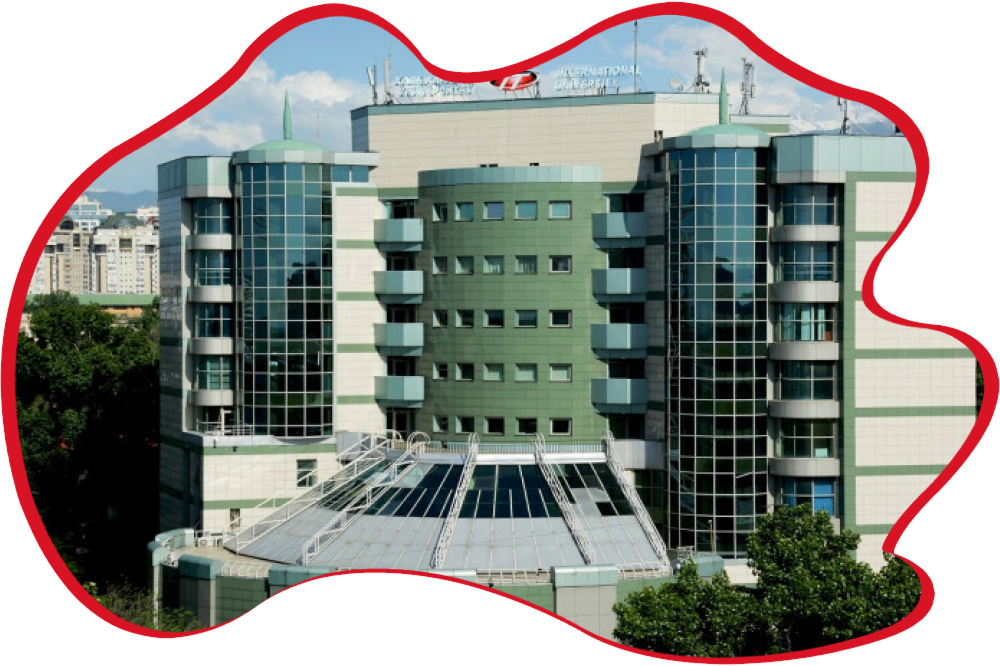

The 11th International Conference on Digital Technologies in Education, Science and Industry (DTESI 2027) covers a wide range of research areas, including but not limited to computer science, technology and engineering management, communications, computational intelligence, robotics and automation, as well as signal processing.
This event represents an important platform for the scientific community of Kazakhstan, bringing together business professionals, scientists, researchers, specialists, and students from various fields of the IT industry both locally and internationally. It provides opportunities for participants to share their experience, broaden and deepen their knowledge and perspectives on specific topics, expand professional networks, and contribute to addressing current challenges and trends in IT. The conference can also serve as a starting point for generating ideas aimed at the implementation of governmental programs and the advancement of research and development initiatives.
The purpose of the conference is to discuss the latest scientific results in the field of digital development of society, formulate research problems and outline approaches and tools for their solution. Scientists, lecturers, and researchers are kindly invited to participate in the conference.
International Information Technology University (IITU), 34/1 Manas Street, Almaty, Kazakhstan, Hybrid format
+7 (727) 330-85-63 ext. 2093, 2131, 2032
nauka@iitu.edu.kz